All Categories
Featured
Table of Contents
With so lots of ranges to select from, discovering the best match for your particular region can be difficult. Whether you live in a damp, subtropical zone or a desert, it's crucial to choose turf seed that will carry out well in the offered growing conditions.
When looking for grass seed, you may have seen the words "cool season" and "warm season" tossed around. This describes the type of environment in which the seed will prosper finest. Similar to trees, flowers, and other plants, various kinds of turf seeds do much better than others in particular environments.
These yards flourish in spring and fall, slow down in the summer, adjust well to frigid winters, and prevail in the northern half of the United States. They're also known for growing well in dubious conditions. yards carry out well in hot weather condition and are more typical in the southern half of the United States.
Kentucky Bluegrass Perennial Ryegrass Tall Fescue Fine Fescue Even the harshest desert climates can delight in luscious lawns, thanks to the hardiness of warm-season yards. If you reside in the Southwest, you understand how challenging it can be to preserve a standard yard. That's why it's so vital to select turfs that welcome sunshine, need less water, and develop strong root systems.
How to Improve Your Soil Quality
Humidity is another complex piece of the puzzle when it concerns picking the very best grass seed for your environment. Some seed ranges, like zoysiagrass and bahia yard carry out much better in damp environments due to the fact that they can quickly adapt to temperature and water material. Residential yards and golf courses in the Southern Subtropical region of the US may likewise use Bermudagrass because of its tolerance to excessive humidity.
Keep these other essential consider mind when looking for new turf seed to plant: Just how much sun does the area see on an average day? If it's less than 5 hours each day, you'll require a shade-tolerant seed range like fine fescue. Other varieties like Bermudagrass require a minimum of 7 hours of sunshine daily to thrive.
Do not forget, the success of your grass begins with soil health. Some examples: high fescue does well in clay soil, fine fescue in loam, and bahia grass in sandy soil.
If your city executes water constraints during dry spells, you'll require grass that can endure longer stretches without moisture. You might likewise be buying turf seed to fill in gaps, or fight off weeds.
Ensuring Lawn Health With Proper Maintenance Habits
The best turf seed for your location depends on the climate, soil type, sun exposure, and other important aspects.
The option between warm- and cool-season grass seed depends upon where you live. Warm-season lawns do best in hot or temperate environments, while cool-season turfs carry out well in areas that experience all 4 seasons. The very best turf seed for a hot, dry climate is Bermudagrass. This variety needs a great deal of sunlight to thrive, and can endure periods of drought.
Are you dreaming of a lavish, lively yard that looks terrific no matter sun or shade? You've concerned the best location. At Lawn Synergy, we've mastered the art of stabilizing light and shade to remove the typical problem of patchy, unequal development. In this post, we'll dive deeper into the very best yard seed sun and shade alternatives that are particularly customized for varied environments.
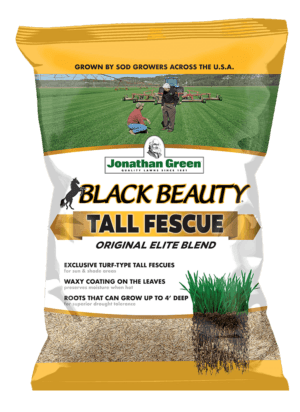
Steps to Enhance Your Soil Health Organically
If you're all set to transform your yard into the envy of the area, continue reading to reveal the tricks to an ideal sun and shade lawn. Sun and shade lawns are those that receive a mixed quantity of sunlight and shade throughout the day. The secret to success with these yards lies in picking a turf type that can carry out well under both extremes.

Latest Posts
Effective Natural Fertilizer Alternatives for Your Lawn
Natural Fertilizer Alternatives for Greener Turf
Choosing the Best Seed for Sun Essential Steps for EnhancingYour Lawn Density